Safe? Maybe. Risky? Probably. Messy? Definitely.
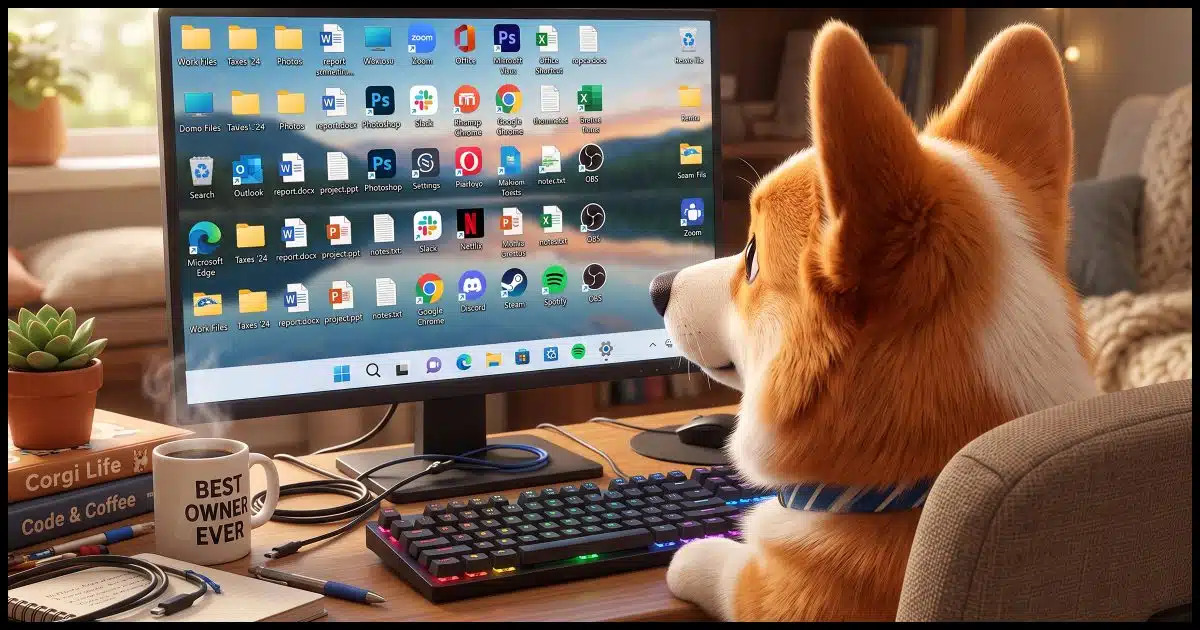
We’re moving into what I call religious territory here. There are definitely very strong opinions on both sides of this issue.
I agree with the article you found. The desktop should be only for shortcuts, not for files.
I’ll even go one step further: I’m not a fan of putting shortcuts on it.

Keeping the desktop clear
Your desktop is just a folder, and it’s an easy place to lose things. One stray click or drag can move or delete what’s there. Keep your files in Documents instead, and use the Start menu or taskbar to open what you use most.
How files disappear from the desktop
It’s easy to accidentally click and drag or otherwise mess up things stored on your desktop. That’s probably what happened with your files and folders. Something unexpected happened, and because they were on your desktop in front of you, you somehow accidentally selected and deleted or moved them.
I can’t say that’s what happened for certain. One of your applications may have done that; for example, cleanup applications can do it.
Help keep it going by becoming a Patron.
How the desktop works
The desktop is just like any other folder on your hard drive. It can contain anything: files, programs, subfolders, shortcuts, etc. But it also has a special property being displayed: a background image plus icons of whatever resides in this special desktop folder.
The desktop was never intended to be a place to store actual data. Instead, you’re expected to put files and folders into your Documents folder, and applications into the Programs folder. As the article you mentioned pointed out, the desktop is a place where you’re expected to put pointers — shortcuts — to things that are stored elsewhere.
In my opinion, shortcuts on the desktop still aren’t all that handy. When you’re working in an application, the desktop is hidden. If you have shortcuts there, you have to make the desktop visible to get to them. (Though  +M is a quick way to do that.)
It’s easier to use the Start menu, and that’s why the disappearance of Start in Windows 8 caused such a kerfuffle. People rely on Start. Fortunately, it came back in Windows 10.
How people really use the desktop
Unfortunately, because the desktop can contain anything, people use it for everything.
People use up their entire desktop with things it wasn’t meant to hold. It can slow the computer down a little, and I know it slows people down as they try to find what’s where on their cluttered desktop. (And heaven forbid that Windows re-arranges the icons on the desktop, which it has been known to do unexpectedly.)
Application installation programs contribute to the problem as well. It’s not uncommon for the installation of a single app to result in half a dozen more icons on the desktop. Sigh.
What I recommend
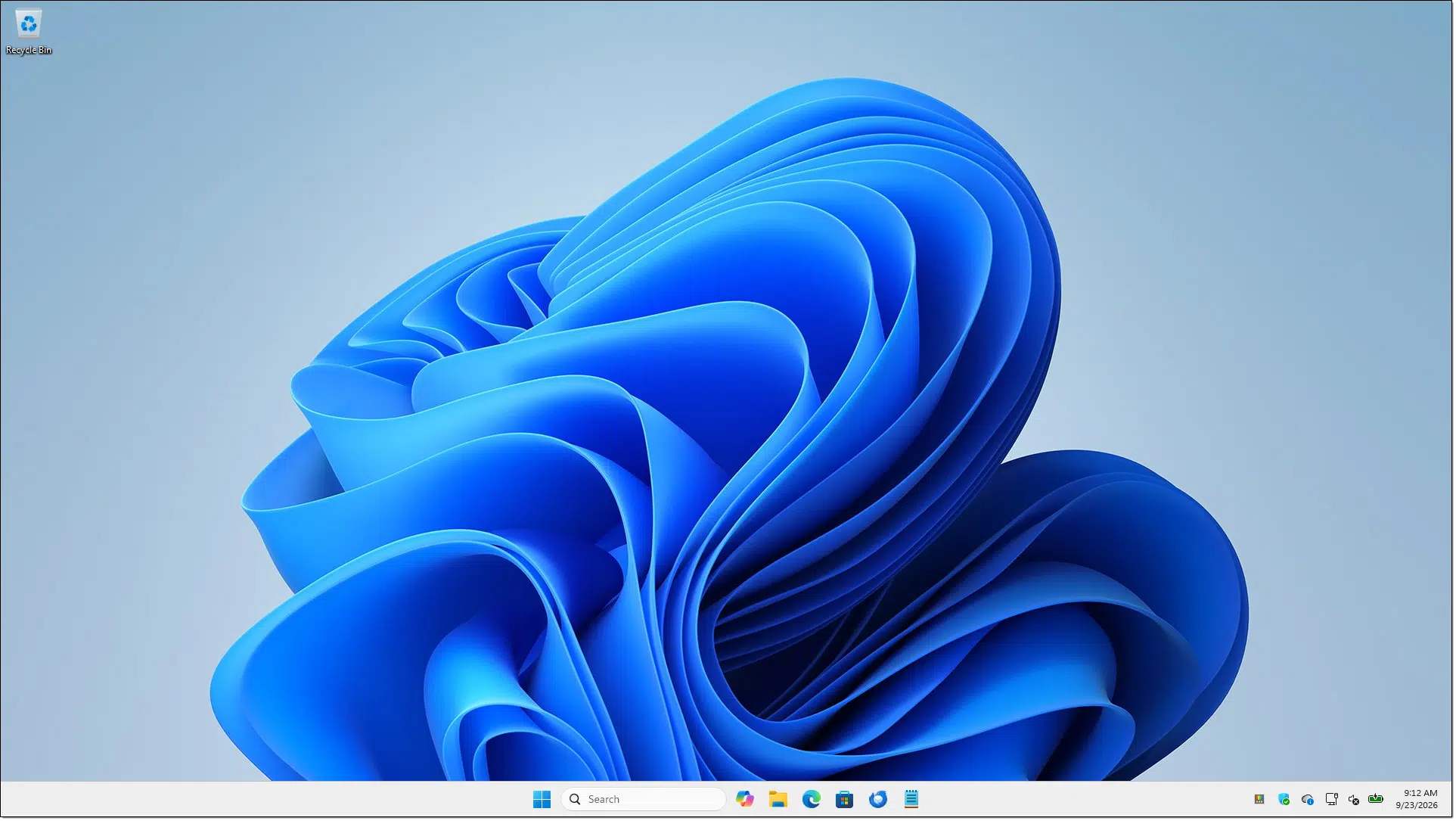
I cringe when I see desktops covered with icons for shortcuts, documents, programs, or whatever. Some people are comfortable with that, but for me, it’s way too cluttered.
But it’s not completely a matter of taste. I base my opinion on my years of using Windows and understanding how it was (and was not) designed.
My recommendation is simple. Move documents and data files to your Documents folder. If you use Dropbox as part of your backup strategy, you can also move your files to a Dropbox-linked folder. Whatever you do, move your files off the desktop.
Uninstall and reinstall programs so they end up in your Programs folder.
If you want anything on your desktop, create a shortcut.
You can also use the Start menu. Pin the programs (or documents) you use frequently to the Start Menu, and they’re just a click away. Even better, consider pinning programs you use constantly to the Taskbar.
Having wall-to-wall icons is not the purpose of the desktop. It can be used for that, but it’s just too fragile a place to put files and programs — as you’ve unfortunately discovered the hard way.
Do this
I won’t tell you what to do, but by now, I suspect you know what I want you to do. 
Figure out how you want to use the desktop, and stick to that instead of letting it become a cluttered mess.
Subscribe to Confident Computing! Less frustration and more confidence, solutions, answers, and tips in your inbox every week.
